Moon
The Moon is Earth’s only natural satellite and our closest celestial neighbour, orbiting at an average distance of about 384,400 kilometres. Its proximity makes it one of the most accessible and fascinating objects to observe and photograph, revealing an extraordinary amount of detail even with relatively modest telescopes.
As the Moon orbits the Earth, changing illumination by the Sun produces the familiar lunar phases, continuously transforming its appearance throughout the month. Its ancient surface is covered with craters, vast dark maria, bright highlands, mountains and valleys, offering an ever-changing landscape as shadows move across the terrain.
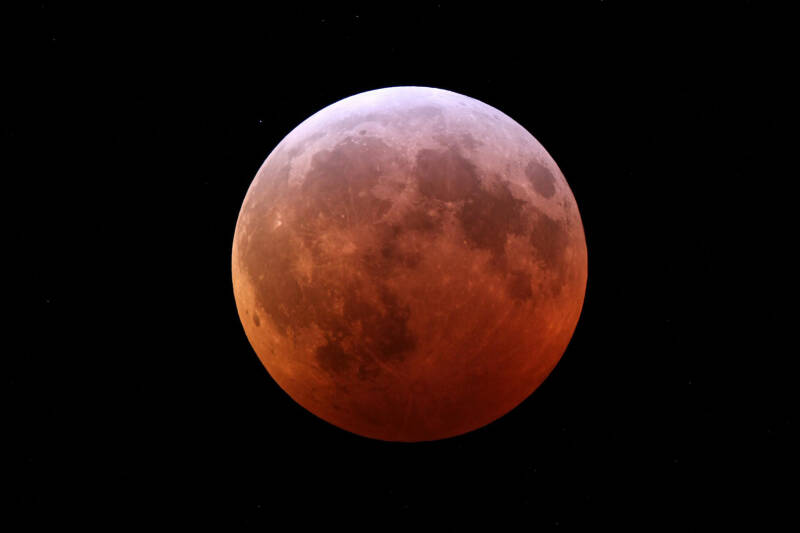
The Moon is also the protagonist of remarkable astronomical events. During a lunar eclipse, it can enter the Earth’s shadow and acquire its characteristic reddish colour, while occultations and conjunctions create striking encounters with stars and planets.
From the entire lunar disc to highly magnified surface details, the Moon offers an exceptional variety of photographic opportunities and a unique window into the history of the Earth–Moon system and the early Solar System.
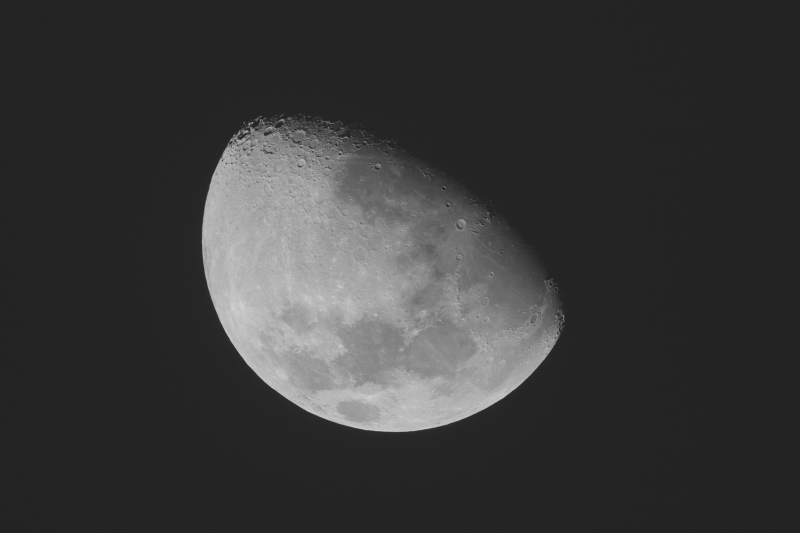
Lunar Surfaces
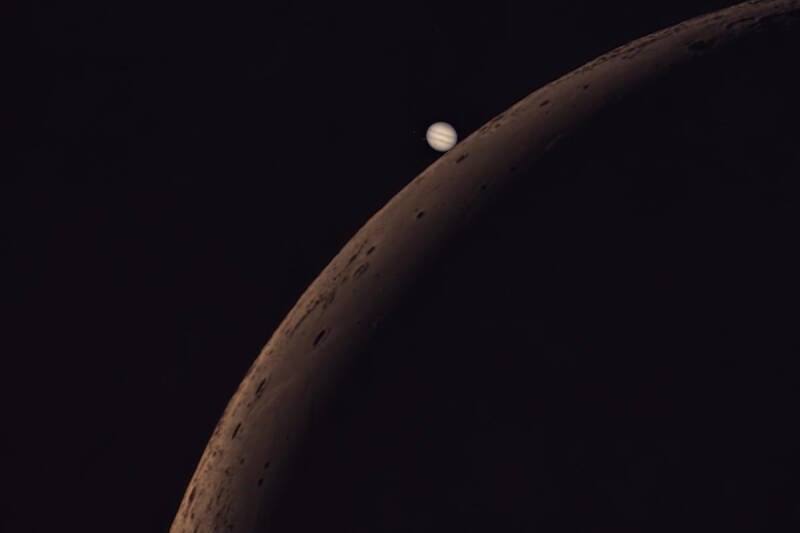
Occultations & Conjuctions (Coming soon)